Before the Spotlight Finds Them: Inside the American Underground Music Circuit Where Tomorrow's Icons Perform Tonight
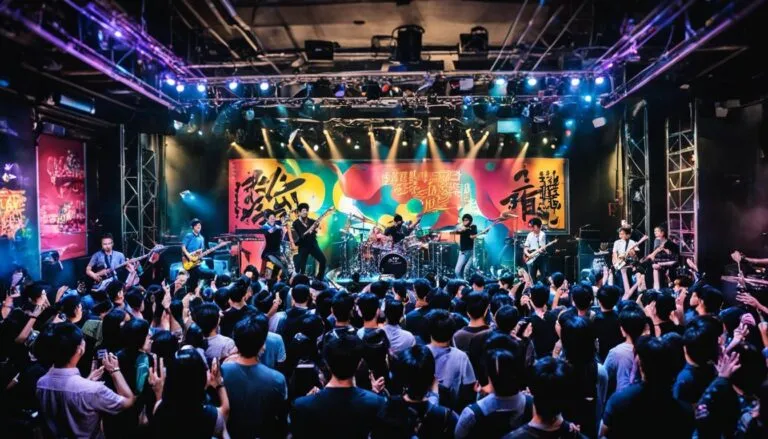
Photo: intimate underground live music performance dark moody venue DJ crowd urban nightclub, via tripjive.com
There is a particular electricity that fills a room when an artist performs before the world has caught on. The crowd is small enough that you can feel the bass in your sternum. The performer makes eye contact. There is no barrier between the music and the moment. If you have experienced this — truly experienced it — you understand why the most devoted nightlife enthusiasts spend considerable energy chasing it.
This is the underground music circuit: a living, shifting constellation of venues, promoters, and artists that exists just beneath the surface of mainstream culture. It is where genres are born, where sounds mutate into something genuinely new, and where the guests who show up on an unmarked Tuesday in January sometimes witness a career-defining performance years before anyone else does.
Avenue Lounge has spent months speaking with the promoters, venue operators, and emerging artists who inhabit this world. What follows is an insider's account of where American underground music is thriving right now — and how to find it.
The Cities Where the Circuit Runs Hottest
The geography of underground music is not fixed, but certain cities have cultivated ecosystems that consistently produce and platform emerging talent.
Chicago remains one of the most fertile grounds in the country, particularly for house and footwork artists who carry on the city's legendary electronic lineage. Intimate venues in the Wicker Park and Logan Square neighborhoods host late-night showcases that regularly feature artists on the verge of significant international recognition. "Chicago has always had this thing where the city takes care of its own before it exports them," explains DJ and producer Terrence Mack, a South Side native whose sets have moved from local warehouse parties to European festival stages over the past three years. "The underground here is protective. It nurtures you."
New York City, predictably, remains a central node — but the action has migrated away from the historically dominant Manhattan venues toward Brooklyn and the outer boroughs. Ridgewood, Bushwick, and Jackson Heights have become particularly active territories for experimental club music, Afrobeats crossover acts, and genre-defying live ensembles. Small-capacity lounges in these neighborhoods operate with a curatorial rigor that rivals institutions many times their size.
Los Angeles has undergone a quiet but significant transformation in its underground scene over the past several years. While the city's reputation skews toward visual spectacle and industry networking, a growing coalition of venues in East LA, Highland Park, and the Leimert Park district are championing a more sonically adventurous programming philosophy. "We're not booking for the industry," says one anonymous promoter who runs a monthly series out of a converted warehouse space. "We're booking for the people who actually love music."
Atlanta, Detroit, Miami, and New Orleans each maintain distinct underground ecosystems shaped by their individual musical histories — trap's evolution, techno's birthplace, Miami bass's continuing influence, and the improvisational heritage of New Orleans jazz informing contemporary club sounds, respectively.
The Genres Defining the Underground Right Now
Underground music is, by nature, a moving target. What was fringe eighteen months ago may already be arriving on mainstream radio. With that caveat acknowledged, several sonic territories are generating significant momentum across the circuit at present.
Amapiano, the South African-born genre characterized by its log drum basslines and jazz-inflected piano melodies, has moved aggressively into American lounge and club programming. DJs who built their reputations on house and Afrobeats sets are incorporating amapiano into their rotations, and dedicated showcases are emerging in New York, Atlanta, and Houston.
Hyperpop and its offshoots continue to find dedicated audiences in underground settings, particularly among younger urban crowds who appreciate its deliberate refusal to resolve into anything comfortable. Live acts blending hyperpop production aesthetics with traditional instrumentation are among the most exciting performance propositions currently circulating the circuit.
Neo-soul and jazz fusion are experiencing a resurgence that feels less like nostalgia and more like reinvention. Influenced by the global success of artists like Samara Joy and the enduring impact of the Soulquarians era, a new generation of vocalists and instrumentalists are drawing significant lounge audiences in cities with strong jazz heritage.
Latin alternative and reggaeton fusion continue to expand their footprint beyond traditionally Latin-dominant markets. Promoters in cities like Chicago and Seattle are reporting strong audience engagement with programming that bridges Latin club sounds with hip-hop and electronic production.
The Promoters and Venue Operators Who Make It Happen
Behind every memorable underground performance is a promoter who took a risk on an artist before the data supported it. These individuals — part talent scout, part community organizer, part event architect — are the connective tissue of the circuit.
"My job is to build a room that deserves the artist," says Simone Vega, a Chicago-based promoter who has introduced dozens of now-recognizable names to Midwest audiences. "When I bring someone in who nobody knows yet, I'm asking my audience to trust me. I take that seriously."
Venue operators who program underground music often do so at financial risk, particularly in markets where real estate costs make small-capacity events economically precarious. Many of the most culturally significant venues in the country operate on margins that would be unacceptable to conventional hospitality businesses. What sustains them is a combination of community loyalty, curatorial reputation, and the occasional breakout moment that validates years of careful programming.
For Avenue Lounge readers seeking to engage with this world, cultivating a relationship with local promoters is among the most reliable strategies available. Following independent promoters on social media, joining mailing lists, and attending their events consistently builds the kind of familiarity that leads to early access, guest list invitations, and genuine insider standing.
How to Position Yourself at the Forefront
Discovering emerging artists before mainstream recognition requires a combination of deliberate effort and genuine openness. The following practices are recommended by the promoters and venue operators we consulted.
Follow the DJs, not just the acts. Established DJs with strong curatorial reputations are often the first to introduce emerging artists to live audiences. If a DJ whose taste you respect adds an unfamiliar name to their setlist or social media commentary, pay attention.
Attend events on off-nights. The most significant underground performances frequently occur on weeknights, when venues are willing to take programming risks that a revenue-critical Friday or Saturday would not accommodate.
Engage with venue programming directly. Many of the country's most forward-thinking lounges and clubs publish detailed programming notes, artist bios, and genre descriptions for their upcoming events. Reading these materials before attending transforms a casual night out into an informed experience.
Trust the room. Underground music discovery is fundamentally a social and physical experience. Streaming playlists and algorithm-driven recommendations are useful tools, but they cannot replicate the knowledge that comes from standing in a room where something genuinely new is happening.
At Avenue Lounge, we believe the most rewarding evenings are those spent at the intersection of discovery and experience — where the music is unfamiliar enough to be thrilling and the setting is refined enough to honor it properly. The underground circuit, at its best, offers exactly that combination. The question is simply whether you are willing to seek it out before everyone else does.