The Reinvention Economy: Why America's Urban Lounges Are Betting Everything on Experience
On a Tuesday evening in Chicago's River North neighborhood, a former sports bar is unrecognizable. Where flat-screen televisions once dominated every sightline, there are now hand-painted murals, Edison bulb installations suspended from exposed timber beams, and a craft cocktail menu that reads more like a literary journal than a drink list. The transformation cost the owners approximately $340,000 and took fourteen months. They have no regrets.
"The old model was transactional," says the venue's managing partner, who asked to be identified only by first name. "People came in, ordered whatever was cheapest, watched the game, left. There was no loyalty, no story, no reason to come back except habit. We needed to become somewhere people wanted to be — not just somewhere convenient to drink."
This story is playing out in urban centers from Atlanta to Seattle, from Nashville to Philadelphia. The American lounge is undergoing a fundamental reimagining, driven by shifting consumer expectations, the gravitational pull of social media, and a post-pandemic appetite for experiences that justify the cover charge. Understanding why — and what it truly costs — reveals a great deal about where nightlife is heading.
The Consumer Has Changed the Contract
For much of the twentieth century, a bar's value proposition was straightforward: proximity, price, and perhaps a particular sporting allegiance. The millennial generation began eroding this model, and Gen Z has accelerated the disruption considerably. According to research from the National Restaurant Association, younger consumers in the United States are increasingly prioritizing experience over transaction — they are willing to spend more per outing but are highly selective about where that money goes.
This has created an unusual market pressure. Upscale lounges that once competed primarily on service quality and liquor selection now find themselves in an experience arms race, competing with immersive dining concepts, rooftop venues, and even non-alcoholic social clubs that have proliferated in cities like New York, Los Angeles, and Austin.
"The competition isn't just other bars anymore," explains a hospitality industry analyst based in New York who advises mid-to-large venue operators. "A lounge is now competing with escape rooms, private dining experiences, pop-up galleries, and curated social events. The question every owner has to answer is: why would someone choose us on a Friday night over everything else available to them?"
The Craft Beverage Program as Identity
One of the most visible — and costly — components of the modern lounge reinvention is the elevation of the beverage program. The era of well liquor and standard cocktails is effectively over for any venue attempting to position itself in the upscale tier.
Craft cocktail programs, built around house-made syrups, locally sourced ingredients, seasonal menus, and spirits from small-batch American distilleries, have become almost obligatory. In cities like Portland, Denver, and New Orleans, venues are employing dedicated bar directors with the same seriousness that fine dining restaurants recruit executive chefs.
The investment is considerable. A serious craft program requires not only quality ingredients — which carry dramatically higher per-unit costs than conventional well spirits — but also the training and retention of skilled bartenders who understand the craft. Industry insiders estimate that building a competitive craft beverage program from scratch can cost a venue between $50,000 and $150,000 in the first year alone, when factoring in inventory, glassware, equipment such as carbonation systems and sous vide circulators, and staff training.
"Our cocktail menu changes every ten weeks," says the beverage director at a well-regarded lounge in Washington, D.C. "Each new menu requires research, recipe development, sourcing, and staff education. It is genuinely labor-intensive. But when guests come back specifically because they want to try the new seasonal menu, you understand why it matters."
Design as Destination
Perhaps no investment is more immediately legible to the modern consumer than physical design. The rise of Instagram and, more recently, TikTok has made aesthetic environments into marketing assets — every visually distinctive corner of a well-designed lounge is a potential piece of organic content, shared by guests with their networks at no cost to the venue.
This reality has fundamentally altered how owners approach interior investment. Where previous generations of lounge operators prioritized capacity and functionality — how many seats, how efficient the bar layout — today's operators are asking different questions. What is the most photogenic wall in this space? Does the lighting flatter the guests and the cocktails simultaneously? Is there a visual moment, a design element distinctive enough to become associated with this venue specifically?
The answers to these questions do not come cheaply. Bespoke interior design for an upscale lounge in a major American city typically runs between $200 and $600 per square foot, according to commercial design firms that specialize in hospitality spaces. A modestly sized venue of 3,000 square feet can therefore represent a design investment of $600,000 to $1.8 million before a single guest arrives.
"The ROI is real, but it's indirect," notes one hospitality consultant who has overseen venue redesigns in Miami and Nashville. "You can't always draw a straight line from the mural on your bathroom wall to a revenue figure. But you can track social media mentions, reservation inquiries, and new guest acquisition. The data supports the investment for venues that execute well."
Live Entertainment as the Anchor
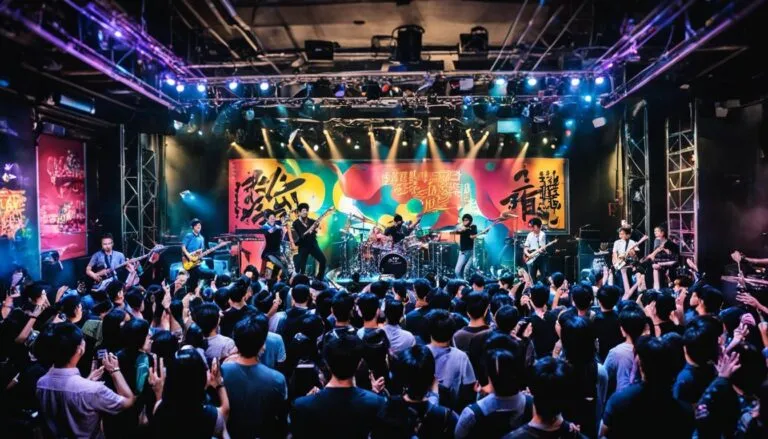
Beyond aesthetics and beverage programs, a growing number of upscale lounges are investing heavily in curated live entertainment as the core of their identity. Rather than ambient background music or a rotating DJ, these venues are programming jazz quartets, acoustic sessions, spoken word events, and genre-specific nights that attract specific communities of music enthusiasts.
This approach serves a dual purpose. It creates a reason for guests to return on a predictable schedule — the same way a beloved television series builds weekly appointment viewing — and it distinguishes the venue from competitors who offer only atmosphere. A lounge known for its Thursday evening jazz residency or its monthly soul music showcase is a lounge with a cultural identity, not merely a commercial one.
The costs, however, are real. Booking quality live talent in major markets requires meaningful fees, sound equipment investment, and the staff time required to manage bookings and production logistics. For venues that commit to this model seriously, entertainment costs can represent 15 to 25 percent of total operating expenses.
The Wager and What It Means for Guests
For the patrons who frequent these reinvented spaces, the transformation carries a complex message. The upscale lounge of 2025 is a more thoughtfully designed, more intentionally curated, and more experientially rich environment than its predecessors. It is also, almost inevitably, more expensive.
Cocktail prices at craft-focused lounges in major American cities now routinely run between $18 and $28 per drink. Minimum spends and reservation fees, once rare, are increasingly common at venues that have invested heavily in design and entertainment. The calculation that owners are making — and asking guests to accept — is that the total experience justifies the premium.
For now, the evidence suggests a meaningful portion of the American nightlife consumer agrees. Reservations at experientially focused lounges in cities like New York, Chicago, and Los Angeles are often booked weeks in advance, even as more conventionally formatted venues struggle to fill seats on weekday evenings.
The reinvention economy, for all its costs and uncertainties, appears to be producing exactly what it promised: places where the night genuinely comes alive — and where guests are willing to pay to be part of it.