Atmosphere Over Appetizers: How the Modern Lounge Became America's Most Compelling First-Date Destination
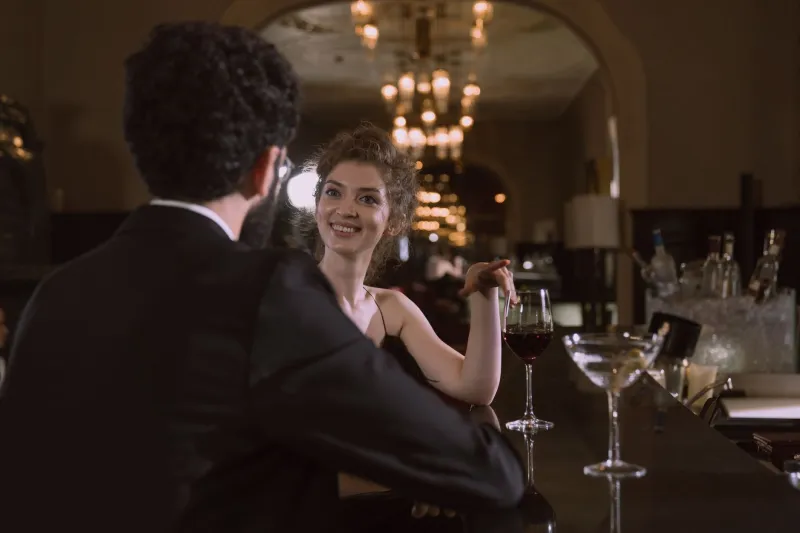
There is a particular kind of courage required to sit across from a stranger and attempt to be interesting. The right environment can make that courage feel effortless. The wrong one can make it feel like an audition. Across America's most discerning urban markets—from Manhattan's West Village to Chicago's River North to Los Angeles's Silver Lake—upscale lounges have emerged as the venue of first choice for those willing to bet on a genuine connection. The question worth asking is not simply why, but how these spaces have been engineered, whether intentionally or not, to make human chemistry feel almost inevitable.
The Problem with Dinner
For decades, the dinner date was considered the gold standard of romantic overture. A reservation at a well-regarded restaurant signaled effort, taste, and financial consideration. But somewhere along the way, the format began to show its limitations. Across the table, two people are essentially trapped—committed to a multi-course timeline, unable to casually shift positions, and subjected to the relentless pressure of filling silence between bites.
"Dinner locks you in," says Marcus Delray, general manager of a prominent cocktail lounge in Washington, D.C. "There's an expectation that you'll stay for the full experience, and if the chemistry isn't there by the entrée, you're both just waiting for the check. A lounge gives people permission to breathe. You can move. You can pivot. The evening has flexibility."
That flexibility, it turns out, is not a minor convenience. Relationship psychologists have long noted that physical mobility during early social interactions correlates with reduced anxiety and increased openness. When people feel they can leave—or simply relocate to the bar—they paradoxically tend to stay longer and engage more authentically.
Light as a Social Architect
Walk into any well-conceived lounge and you will notice, almost immediately, that something about the lighting feels different from a restaurant or a casual bar. It is not simply dim. It is directional—warm in the intimate corners, slightly cooler near the bar, designed to draw the eye without overwhelming the face. This is not accidental.
Lighting designers who specialize in hospitality spaces have increasingly been brought into the conversation about how illumination affects social dynamics. Warm, low-angle light tends to soften facial features, reduce perceived stress, and create a subtle sense of privacy even in a moderately populated room. For two people meeting for the first time, that psychological sense of being in a semi-private bubble—visible to the world but not scrutinized by it—is enormously valuable.
"We spent three months on the lighting plan alone," says the creative director behind a recently opened lounge in Nashville. "The goal was to make every seat feel like the best seat in the house, but also to make every person sitting in it look like the most interesting person in the room. That's what you want on a first date. You want to look good, and you want the other person to look good."
Acoustics and the Art of Audibility
Perhaps the most underappreciated element of lounge design as it relates to romantic encounters is sound. The acoustic profile of a space determines not just how loud the room feels, but how intimate a conversation can become. Many restaurants, particularly those with hard surfaces and open kitchens, create sound environments that require near-shouting to be heard—a dynamic that is both physically exhausting and emotionally distancing.
Upscale lounges, by contrast, tend to invest heavily in acoustic engineering. Soft furnishings, textured wall panels, and strategic speaker placement work in concert to create what audio designers call a "near-field conversation zone"—an environment where two people seated close together can speak at a natural register and feel genuinely heard. The effect is subtle but profound. When you do not have to raise your voice, you tend to lower your guard.
"Sound is intimacy," notes one lounge operator in Seattle who recently completed an acoustic renovation. "If I have to lean in to hear you, I'm already closer to you than I planned to be. That's not manipulation. That's just physics working in your favor."
The Bartender as Quiet Collaborator
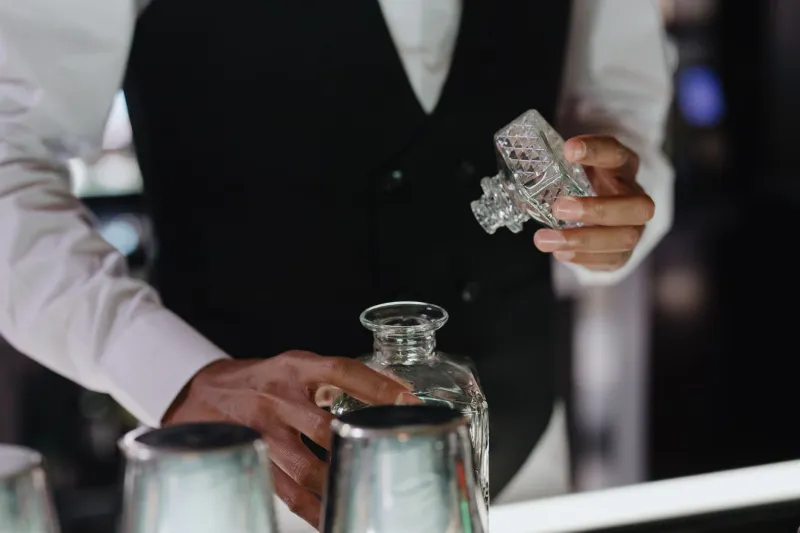
Among the most compelling—and least discussed—factors in the lounge-as-first-date equation is the role of the bartender. Experienced lounge bartenders develop a finely calibrated social intelligence that borders on the intuitive. They read body language, monitor drink pacing, and make micro-decisions about when to approach, when to offer a recommendation, and when to simply disappear.
"I can tell within about ten minutes whether a first date is going well or not," says one veteran bartender at a well-regarded Manhattan lounge who has worked behind the bar for nearly fifteen years. "And my job is to help it go well, without either person knowing I'm doing it. If I see someone's glass is empty but they're mid-sentence, I wait. If someone looks like they need a conversational life raft, I'll offer a tasting note or ask about their preference. It gives them something to talk about."
This form of discreet hospitality is something the lounge format has elevated into an art form. Unlike a restaurant server managing five tables and a kitchen timeline, a skilled lounge bartender can afford to be present in a way that feels generous rather than intrusive—a quiet collaborator in the evening's unfolding narrative.
The Stakes of the Gamble
None of this is to suggest that the lounge setting guarantees romantic success. The gamble remains real. A poorly chosen venue—too loud, too trendy, too eager to impress—can undermine even the most promising dynamic. The upscale lounge works not because it eliminates risk, but because it creates the conditions under which risk feels worth taking.
Relationship researcher and author Dr. Simone Hartwell, who has studied venue selection in early romantic encounters, puts it plainly: "The environments we choose for first meetings tell our dates something about who we are before we've said a word. A thoughtfully chosen lounge communicates that you value atmosphere, that you're comfortable in your own skin, and that you're interested in a real conversation rather than a performance."
For many first-date veterans, that signal alone is enough to shift the dynamic.
An Invitation Worth Accepting
The modern upscale lounge did not set out to become America's premier romantic venue. It set out to be a place where the night could unfold on its own terms—where conversation was valued, where craft was evident, and where the surrounding environment supported rather than competed with genuine human connection.
That it has become something more—a space where two people might discover the beginning of something lasting—speaks to the quiet power of atmosphere done right. The chemistry, of course, remains entirely your own. But the lounge, at its best, gives that chemistry the room it needs to breathe.