From First-Timer to Fixture: The Art of Becoming a Lounge Regular

Photo by Photo by Kevin Wenning on Unsplash on Unsplash
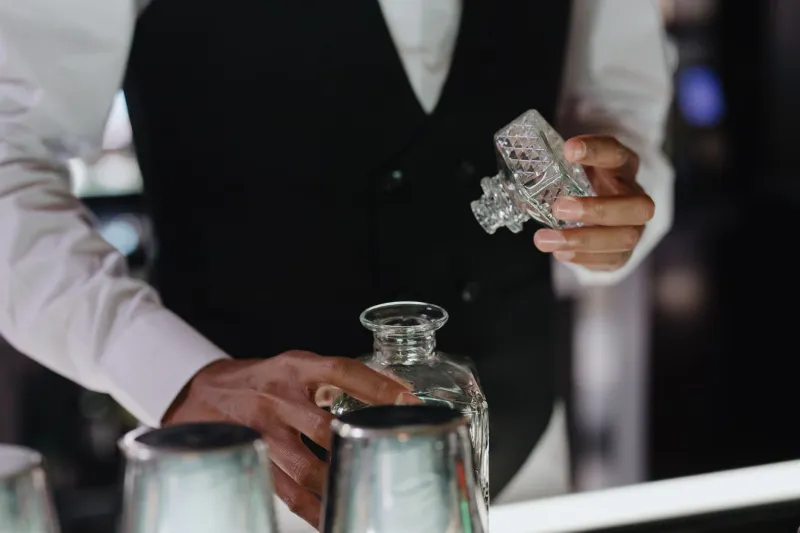
There is a particular kind of recognition that passes between a seasoned bartender and a familiar face — a nod, a glass already in motion before the order is spoken. Earning that acknowledgment is neither accidental nor instantaneous. It is the result of a slow, deliberate social investment that transforms a casual visitor into something the industry quietly calls an institution.
In the world of upscale lounges, regulars are not merely repeat customers. They are, in many ways, the living architecture of the room — the familiar presences that lend an establishment its sense of continuity and soul. Understanding how to earn that standing, and more importantly how to sustain it, is one of the more nuanced social pursuits available to the modern urban diner.
The First Visit Sets the Tone
Every regular was once a first-timer, and experienced lounge staff can identify a promising one within minutes. It has nothing to do with how much a guest spends on that initial evening. It has everything to do with how they carry themselves — whether they engage with the room or simply occupy it.
The guest who takes a moment to study the cocktail menu rather than defaulting to something generic, who asks the bartender a genuine question about a spirit they haven't encountered before, who expresses appreciation without performing it — that person registers differently than someone simply passing through. First impressions in a lounge are not about spectacle. They are about attention. Showing up with curiosity rather than expectation is among the most effective opening moves available.
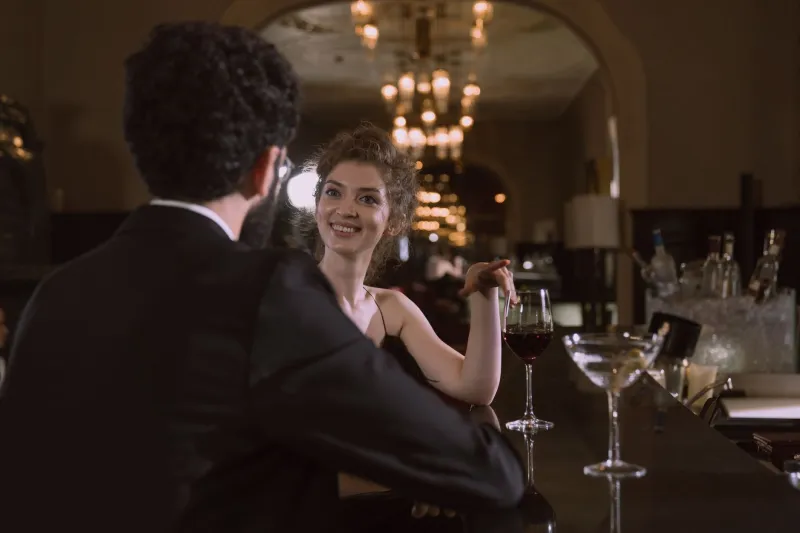
Choose your seat deliberately on that first visit. Corner placements and bar-adjacent seating tend to facilitate natural conversation with staff. Positioning yourself in the flow of the room rather than at its margins signals that you intend to be present, not merely transient.
Consistency Is the Currency
If the first visit establishes potential, it is consistency that converts it into standing. Returning to the same establishment on a predictable rhythm — even once or twice a month — communicates something that no single evening of generosity can replicate: that you have chosen this place specifically, and that the choice is ongoing.
Staff in quality lounges have exceptional memories for faces. They also have exceptional memories for behavior. The guest who arrives, orders thoughtfully, engages briefly and warmly with whoever is behind the bar, and departs graciously will be remembered. Over time, that memory accumulates into something resembling institutional affection.
It is worth noting that consistency extends beyond frequency. Arriving at similar hours, gravitating toward the same section of the bar or lounge floor, and maintaining a recognizable aesthetic all contribute to the sense that you belong to the room in some meaningful way. Regulars, at their most essential, are people the space has come to expect.
Learn the Language of the Room
Every lounge has its own interior vocabulary — a set of preferences, rhythms, and unspoken standards that distinguish it from every other establishment on the block. Learning that language is not a matter of eavesdropping or social climbing. It is a matter of paying attention.
Which evenings carry the most energy? When does the kitchen turn its focus toward more ambitious preparations? Which bartenders lean toward classic technique and which are more experimental in their approach? This kind of knowledge accrues naturally over time, but the guest who actively absorbs it accelerates the process considerably.
Ask questions that demonstrate genuine interest rather than a desire to impress. "What's coming in next season that you're particularly excited about?" or "Is there a spirit you've been working with lately that hasn't made the menu yet?" — these are the kinds of inquiries that signal to staff that you are engaged with the craft, not simply the consumption. That distinction matters enormously in how you are perceived.
The Reciprocity of Relationship
The dynamic between a lounge regular and its staff is not transactional in the conventional sense, though it does operate on a principle of reciprocity. When a guest demonstrates loyalty, curiosity, and respect for the craft, the establishment tends to respond in kind — and often in ways that are difficult to quantify on a receipt.
This might manifest as a preferred table held quietly on a busy Friday. It might be a complimentary taste of something newly arrived behind the bar, offered not as a promotional gesture but as a genuine invitation to share in a discovery. It might simply be the quality of conversation — the difference between being served and being welcomed.
Importantly, none of these gestures are owed. They are earned, and they are extended at the discretion of staff who have developed genuine regard for a particular guest. Expecting preferential treatment before the relationship has been established is among the more reliable ways to ensure it never will be.
What Not to Do
The pursuit of regular status has its own set of pitfalls, and they tend to cluster around one central mistake: trying too hard. The guest who name-drops, who makes a point of referencing previous visits loudly, who attempts to negotiate informally for upgrades or special treatment — that person signals insecurity rather than belonging.
Authentic regulars do not announce themselves. They arrive, they engage, and over time they find that the announcement has been made on their behalf by the staff who have come to know them. The lounge, at its best, is a social organism that rewards patience and genuine presence far more reliably than any display of effort.
Similarly, be mindful of the staff's professional boundaries. The warmth that develops between a bartender and a regular is real, but it exists within the context of a working environment. Respecting that context — understanding when conversation is welcome and when the bar is simply too busy — is itself a mark of someone who genuinely belongs.
The Quiet Privilege of Being Known
There is a particular pleasure available only to those who have invested the time to become known in a place they love. It is not the pleasure of status in any conventional sense. It is something quieter and more lasting — the pleasure of arrival, of being recognized, of inhabiting a space that has come to feel, in some small but meaningful way, like yours.
The city's great lounges are full of people chasing the next new thing, and there is nothing wrong with that pursuit. But the regulars — the fixtures, the institutions — have found something those guests have not yet discovered: that belonging to a room is one of the more underrated luxuries available in urban life.
At Avenue Lounge, that sense of belonging is precisely what we endeavor to cultivate. The door is open to everyone. The table, in time, belongs to those who return.