The Right Moment: How Strategic Arrival Unlocks the Best a Lounge Has to Offer
There is a particular kind of guest who always seems to have the bartender's ear, who finds a prime seat without negotiating, and whose evening flows with an effortlessness that appears almost choreographed. Ask that guest their secret, and the answer is rarely about charm or status. More often than not, it comes down to something far simpler: they arrived at precisely the right time.
Timing, in the context of upscale lounge culture, is a discipline that most guests never consciously develop. People tend to arrive when their schedule permits or when social plans coalesce—rarely when the venue itself is at its most receptive. But for those who have spent years inhabiting the better rooms of American urban nightlife, the clock is as essential a tool as the cocktail menu.
The Quiet Window Before the Rush
Perhaps the most coveted arrival window is the one that exists just before a lounge reaches its social peak. In most urban venues across cities like New York, Chicago, and Los Angeles, this window typically falls between 6:30 and 8:00 p.m. on a weekend evening—after the after-work crowd has thinned but before the late-night contingent has arrived in force.
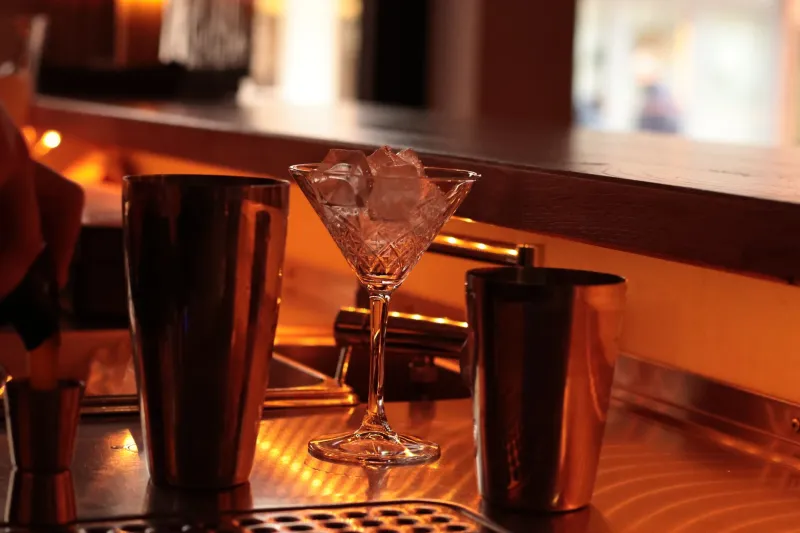
During this interval, the bar team has usually completed its most intense service sprint and is settling into a more measured pace. Cocktails receive the kind of attention that separates a good drink from a genuinely memorable one. Ice is properly tempered, garnishes are applied with care, and the bartender has bandwidth to discuss what they're building rather than simply producing it at volume.
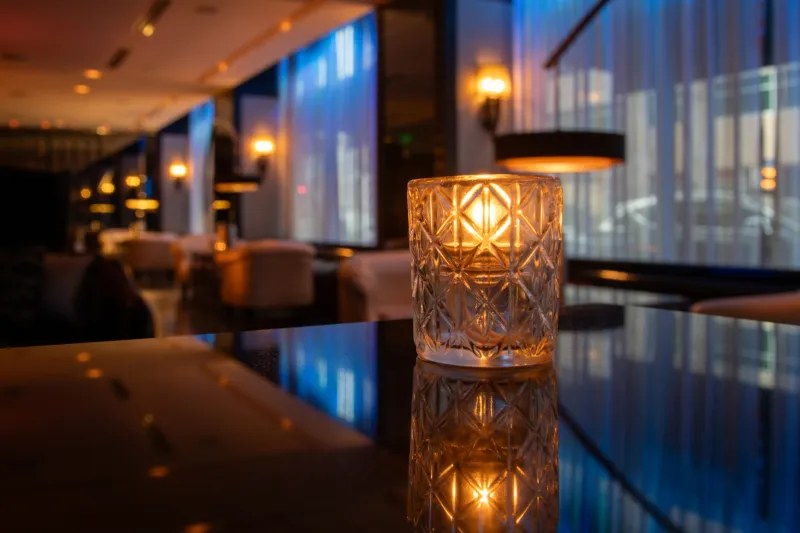
Lounge operators frequently describe this period as the "golden hour" of service—not because of lighting, though the ambient shift at dusk contributes something undeniable, but because the room is populated by guests who arrived with intention rather than impulse. Conversations tend to run deeper. The energy is present without being overwhelming.
Why Peak Hours Reward Patience—or Punish Its Absence
There is nothing inherently wrong with arriving at a lounge during its busiest hours. The energy of a full room, the ambient hum of overlapping conversations, the sense that an evening is fully alive—these are part of what makes the upscale lounge experience compelling. But peak hours carry costs that guests rarely account for in advance.
At capacity, even the most skilled bar team is operating under significant constraint. Drink complexity is often quietly reduced, not out of negligence but out of necessity. A bartender managing fifteen simultaneous orders cannot spend ninety seconds on a properly executed fat-washed spirit the way they might during a quieter stretch. The result is technically correct but experientially diminished.
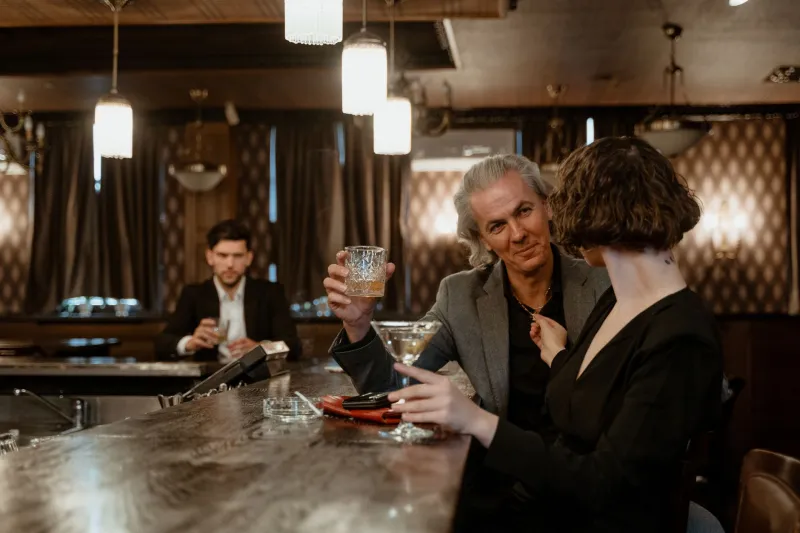
Similarly, the social dynamics of a packed room work against genuine connection. Noise levels climb. Personal space contracts. The kind of unhurried exchange that defines a great lounge evening becomes difficult to sustain. For guests who value conversation as much as craft cocktails, peak hours are often better experienced after they have already established themselves in the room—not as a point of entry.
The Case for the Deliberate Midweek Visit
Regulars who truly know their preferred venues will often cite Tuesday and Wednesday evenings as among the most rewarding nights to visit. This recommendation surprises many first-time converts, conditioned as most Americans are to treat Thursday through Saturday as the only legitimate canvas for nightlife.
Midweek evenings at quality lounges offer a version of the space that weekend guests rarely encounter. Staffing is typically more selective—experienced team members who prefer the quieter pace and the opportunity it affords for craft. Guest volume is lower, which means the room breathes differently. Seating is available without strategy. And the bartender, rather than being a figure glimpsed briefly between orders, becomes something closer to a collaborator.
Several lounge managers interviewed for this piece noted that their most engaged regulars almost exclusively favor midweek visits for exactly this reason. One veteran operator put it plainly: "The guests who come in on a Wednesday are there for the experience. They're not performing for anyone. That changes everything about how the night goes."
Reading the Room: How Energy Shifts Signal Opportunity
Beyond specific hours and days, experienced lounge-goers develop an intuitive sensitivity to energy transitions within a single evening. These shifts—subtle but perceptible—mark moments when the dynamic of the room recalibrates.
The first transition typically occurs roughly forty-five minutes after a venue opens its doors for evening service. The initial wave of early arrivals has settled, the bar team has found its rhythm, and the room takes on a stable, welcoming quality. This is an excellent moment to order something ambitious—a complex stirred cocktail, a spirit-forward build, anything that benefits from the bartender's full attention.
A second transition often occurs around 10:00 or 10:30 p.m., when a portion of the earlier crowd begins to depart and a new wave has not yet fully materialized. Experienced guests use this window to reorder, to shift seats if they choose, or simply to enjoy a brief interlude of relative calm before the room resurges.
Learning to anticipate these transitions requires several visits to the same venue—another argument for developing a relationship with a particular lounge rather than treating every evening as an exploration of somewhere new.
Arrival as Intention
Ultimately, the question of when to arrive at an upscale lounge is inseparable from the question of what you are hoping the evening will become. Guests seeking spectacle and social density will find it at peak hours. Those pursuing craft, conversation, and the particular pleasure of being genuinely attended to will find their rewards in the margins—the early window, the midweek visit, the transitional lull.
What distinguishes the most satisfied lounge regulars is not a preference for one experience over the other, but an awareness that the choice exists at all. The room is always changing. The staff is always moving through different modes of engagement. The crowd is always in flux. To arrive without accounting for any of this is to leave the quality of your evening largely to chance.
The lounge, at its finest, is a living environment—one that rewards those who arrive not merely on time, but at the right time. That distinction, modest as it may seem, is the difference between a pleasant night out and an evening that stays with you well past the final pour.