Beyond Happy Hour: How Urban Lounges Became the Third Space Defining a Generation
There is a moment, familiar to anyone who has spent time in a well-appointed lounge, when the ambient lighting shifts almost imperceptibly and the room seems to exhale. Conversations deepen. Shoulders drop. The transactional urgency of the workday dissolves into something more deliberate, more human. This is not an accident. It is, increasingly, the product of an industry that has spent years engineering precisely that feeling — and a generation of professionals who have decided it is worth paying for.
Sociologist Ray Oldenburg first articulated the concept of the "third place" in 1989, describing it as the informal social environment that anchors community life beyond home and work. For decades, that role was filled by diners, barbershops, and neighborhood taverns. Today, in cities from Chicago to Charlotte, a new kind of institution is staking its claim to that designation: the upscale urban lounge.
The Architecture of Belonging
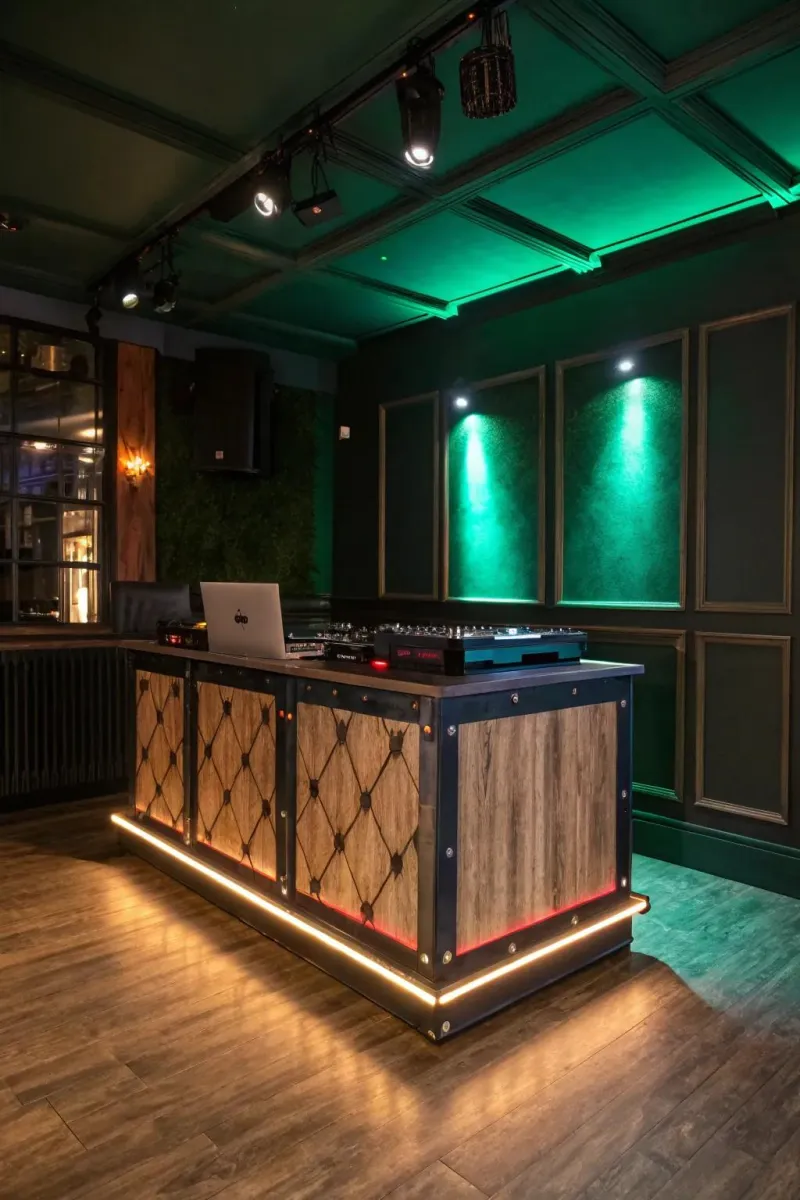
What separates a destination lounge from a conventional bar is not merely price point or décor, though both matter. It is the intentionality embedded in every operational decision. Lighting designers are commissioned. Acoustic consultants are retained. Curators — yes, curators — are sometimes hired to select the art that lines the walls. The result is an environment calibrated to communicate a specific social register, one that signals to its patrons: you belong here, and here is worth belonging to.
For millennials and Gen Z professionals navigating the psychological aftermath of remote work and social fragmentation, that signal carries unusual weight. Research from the American Psychological Association has consistently linked loneliness among working adults aged 25 to 40 with the erosion of casual, repeated social contact — the kind that used to happen naturally in shared offices and neighborhood institutions. Destination lounges, whether by design or circumstance, have stepped into that void.
"We stopped thinking of ourselves as a bar years ago," says one Chicago venue operator who manages a members-preferred lounge on the Near North Side. "Our regulars come here the way people used to go to their club. It's a place where they know they'll see familiar faces, have a real conversation, maybe hear something that changes how they think about their week. That's a different value proposition than a two-for-one cocktail."
The Membership Calculus
Perhaps the clearest evidence of this cultural shift is the accelerating uptake of lounge membership and loyalty programs across major American cities. Unlike traditional bottle service arrangements, which primarily reward high-volume spending, contemporary membership structures tend to emphasize access, curation, and community. Priority reservations, invitations to private tastings, early access to featured performers — these are the currencies of belonging in the modern lounge economy.
The financial logic is not trivial. A mid-tier lounge membership in New York or Los Angeles can run anywhere from $150 to $500 monthly. Yet waitlists for such programs have grown substantially over the past three years, a trend venue operators attribute to a fundamental reorientation in how younger professionals think about discretionary spending.
"There's a real calculus happening," explains a patron at a Washington, D.C. lounge who holds memberships at two separate venues. "I spend less on random Friday nights out than I used to. But I spend more intentionally, on places where I actually feel like a participant rather than just a customer. The membership is almost beside the point — it's about having a place that feels like yours."
This sense of ownership — psychological rather than financial — is central to the lounge's appeal as a third space. Sociologists note that the most durable community institutions share a common feature: they make their regulars feel seen. The lounge, at its best, operationalizes that principle through staff training, personalized service, and the careful management of atmosphere.
Networking Without the Name Tags
Among the most frequently cited reasons professionals choose destination lounges over conventional networking events is the absence of performative structure. Happy hours organized by industry associations or alumni groups carry an implicit transactional expectation — attend, circulate, exchange cards, justify the time. Lounges, by contrast, offer what might be called ambient networking: the possibility of meaningful connection without the obligation of pursuit.
"I've made more genuinely useful professional contacts in lounge settings than at any event specifically designed for networking," notes a marketing executive based in Atlanta. "Something about the environment strips away the elevator pitch dynamic. People are more honest. The conversations go somewhere."
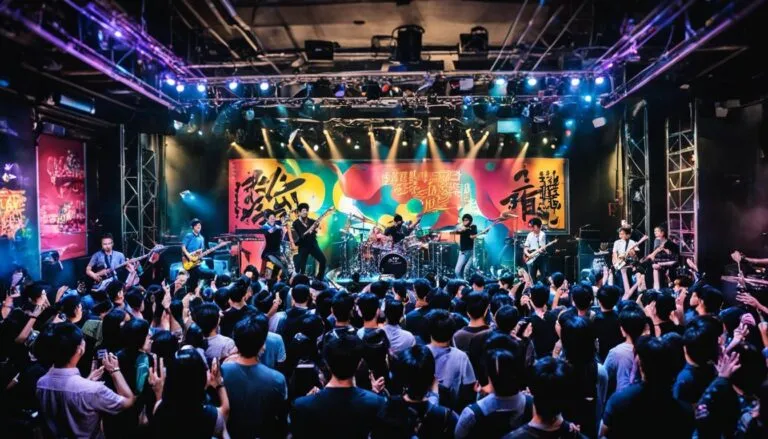
Venue operators have taken note. Several prominent lounges in cities including Miami, Nashville, and Seattle now host what they describe as "curated social evenings" — events that blend live performance, thematic programming, and relaxed mingling in ways designed to catalyze organic connection rather than transactional exchange. The programming is carefully considered: a jazz quartet that invites conversation rather than commanding silence, a cocktail menu built around a narrative theme, perhaps a brief conversation with an artist or local figure.
The Evening as Investment
What is perhaps most striking about the lounge's emergence as a genuine third space is the degree to which its patrons articulate their attendance in the language of intentional living. The vocabulary of wellness, curation, and investment — familiar from conversations about fitness regimens or cultural subscriptions — has migrated into the realm of nightlife.
"I think about where I spend my evenings the same way I think about where I spend my mornings," says one regular at a Nashville venue known for its rotating roster of regional musicians. "It's a choice about what kind of person I want to be and what kind of life I'm building. A great lounge contributes to that. A forgettable one doesn't."
For venues like Avenue Lounge, which have invested heavily in programming, atmosphere, and the cultivation of a discerning regular clientele, this shift represents both a validation and a responsibility. The lounge that earns its place in the rhythm of someone's life must continually justify that position — through the quality of its music, the craft of its cocktails, the warmth of its welcome.
Oldenburg's third place, he argued, was essential not as luxury but as necessity — a counterweight to the isolation that modern life tends to produce. Whether by accident or aspiration, the upscale urban lounge has positioned itself to fulfill that function for a new generation. The night, it turns out, can be as purposefully constructed as the day.